
Licensed Esthetician in Chicago: Skincare That Starts With Listening
Most people don’t go looking for an esthetician because their skin is perfect. They go because something isn’t working. The products that used to help now sting. The breakouts have calmed but left marks behind. The skin looks tired no matter how much you sleep, or you’re simply confused by the amount of advice online and want one person to look at your face and tell you the truth.
That last reason comes up more than any other. People are tired of guessing.
If you’ve been searching for a licensed esthetician in Chicago, this page is meant to answer the questions you probably have before booking. What does an esthetician actually do? How is a facial esthetician different from a dermatologist or a spa therapist? How do you choose someone you can trust with your skin? And what does a first visit with us look like?
Schedule Your Skin ConsultationWhat an Esthetician Actually Does
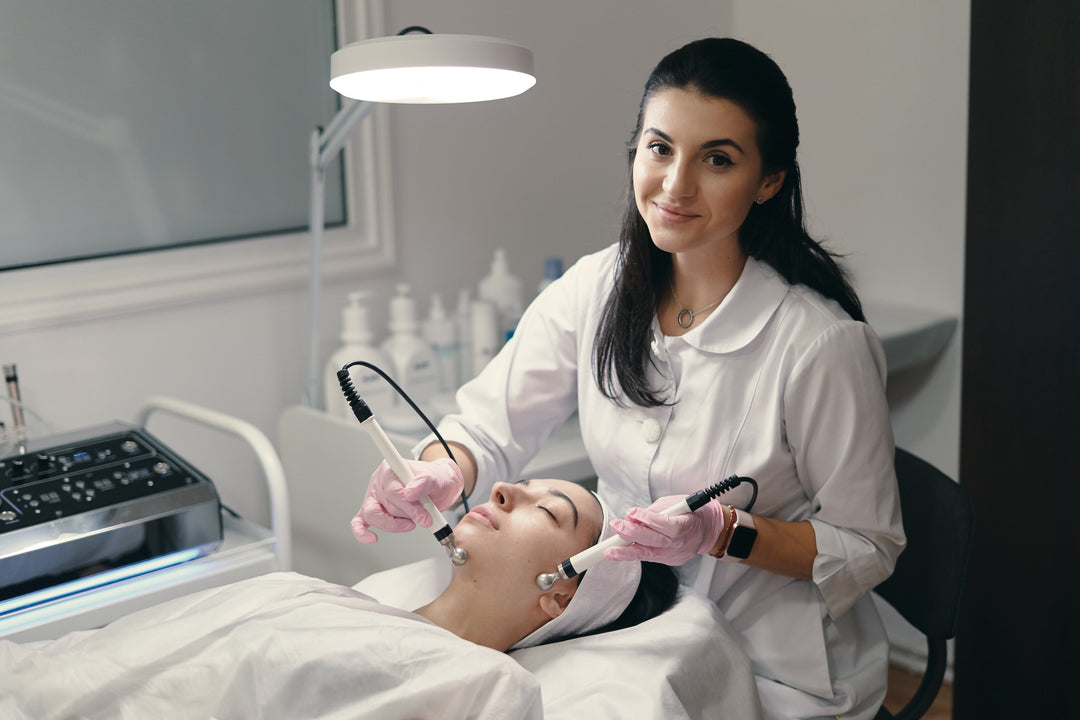
An esthetician is a skincare professional who focuses on the health and appearance of the skin. In Illinois, estheticians are licensed through the state, which means they’ve completed formal training and met requirements to practice professionally.
Day to day, a skincare esthetician:
- Assesses your skin type, condition, and concerns
- Performs facials and other non-invasive skin treatments
- Provides exfoliation, extractions, and hydration-focused care
- Recommends and explains home care routines
- Helps you understand which ingredients and products suit your skin
- Refers you to a doctor when something falls outside skincare
What an esthetician does not do is diagnose or treat medical conditions, prescribe medication, or perform procedures that require a medical license. That distinction matters, and a good esthetician will always be clear about where it sits.
Why Choose a Licensed Esthetician in Chicago
Skincare is a field where you can find plenty of confident voices and very different levels of training. A license is a baseline. It tells you the person treating your skin has been trained in skin anatomy, sanitation, product safety, and treatment technique, and is accountable to professional standards.
That matters for a few practical reasons:
Safety and Hygiene
Skin treatments involve close contact with a sensitive organ. Proper sanitation and technique aren’t optional.
Understanding of Skin
Licensed training covers how skin behaves, which helps an esthetician recognize what’s normal, what’s reactive, and what needs a doctor’s attention.
Accountability
A professional license carries expectations about conduct and scope of practice.
Still, a license alone doesn’t tell you whether someone is the right fit. We’d encourage you to also look at how an esthetician communicates, how they assess your skin, and whether they’re honest about what treatments can and can’t do.
Facial Esthetician vs. Dermatologist vs. Spa Therapist
These roles often get blurred, so here’s a simple way to think about them.
A dermatologist is a medical doctor. They diagnose and treat skin conditions such as eczema, psoriasis, severe acne, and skin cancer, and they can prescribe medication.
A facial esthetician focuses on skin care and appearance through non-medical treatments like facials, exfoliation, light therapy, and home care guidance.
A spa therapist often focuses on relaxation and wellness services, and the skincare element may be lighter.
These roles work well together. Many of our clients see a dermatologist for medical concerns and an esthetician for ongoing skin care. If you ever show us something that looks concerning, we’ll tell you plainly and suggest you get it checked.
What Makes the Best Esthetician in Chicago?
People search for “the best esthetician” hoping for a clear answer. The reality is that the best esthetician is the one who fits you and your skin. That said, there are signs worth looking for.
They Assess Before They Treat
A good esthetician looks closely at your skin, asks about your routine and history, and learns what you want before deciding anything.
They Explain Things Clearly
You should understand what’s being done and why, without jargon or pressure.
They Customize
If everyone gets the same routine, it isn’t tailored to you.
They’re Honest About Limits
A skilled esthetician will say when a treatment isn’t right for you, or when you should see a doctor.
They Don’t Oversell
You shouldn’t feel pushed into packages, products, or treatments you don’t need.
They Think Long Term
Healthy skin is built through consistent care, not a single dramatic appointment.
If an esthetician promises overnight transformation, treat it as a warning sign. Skin changes gradually.
How We Work as Your Skincare Esthetician
Lisa Simone Skincare is a boutique studio in River North. We keep our schedule small on purpose so each visit isn’t rushed through a formula.
We Start With a Conversation
Before any treatment, we talk. What’s your skin doing? What have you tried? What are you hoping for? We ask about your products, prescriptions, recent procedures, and lifestyle, because all of it affects what we recommend.
We Look at Your Skin Closely
We examine your skin in person, noting texture, hydration, sensitivity, congestion, and signs of inflammation or aging. This is also where we decide whether a treatment is right for you today, or whether your skin needs calming first.
We Build a Plan, Not Just a Treatment
Some clients need a single facial. Others do better with a short series and then maintenance. We outline what’s realistic and what to expect, and we’re comfortable if that means fewer visits rather than more.
We Explain Home Care Simply
We work with professional lines such as Environ and MBR, but we’re not interested in long shopping lists. A few well-chosen products, used consistently, usually do more than a crowded shelf.
If you’d like to begin with a conversation rather than a treatment, you can schedule a skin consultation.
Skin Concerns Our Esthetician Helps With
Dull Skin and Uneven Texture
When skin looks flat or feels rough, gentle resurfacing and cleansing can help. Options include a deep cleansing facial, dermaplaning, microchanneling, and sponge-derived treatments such as spicules and the fresh water sponge treatment.
Early Signs of Aging
Firmness, fine lines, and loss of tone respond best to a steady plan. An anti-aging facial is a good place to start, and many clients add microcurrent to support facial tone and lift.
Tension, Contour, and Stress Held in the Face
Manual techniques work with the muscles and circulation of the face. Our Kobido facial massage and buccal facial massage suit people who carry stress in the jaw and cheeks.
Dryness and Dehydration
An oxygen facial can restore a fresher look, and a considered hydrating skincare routine helps your skin hold moisture through Chicago winters.
Redness, Sensitivity, and Recovery
Calm comes before correction. LED light therapy and biomodulation support healing-focused care. When your skin is ready, bioneedling and Glycoala can become part of a deeper repair plan.
Acne and Post-Breakout Marks
Once active breakouts have settled, careful cleansing and resurfacing can help soften the look of marks and uneven texture. We avoid treating areas with active infection or open lesions.
For a wider look at how we match treatments to skin, see our guide to facials in Chicago.
What to Expect at Your First Appointment
Consultation and Skin Assessment
We start by talking and looking. We’ll go through your concerns, routine, and history, then examine your skin closely.
Your Treatment
Cleansing comes first, followed by the treatment we’ve chosen together. Pressure, products, and technique are adjusted as we go, based on how your skin responds. Calming and hydrating steps follow, and we finish with sun protection.
Comfort
Most facials are relaxing. Some treatments, such as resurfacing, can bring warmth or a mild prickling sensation. We explain beforehand what you’ll feel, and you can tell us at any point if you’d like us to adjust.
Timing
Appointment length varies by treatment. Please confirm timing when you book, especially if you’re fitting a visit around a workday.
Afterward
You’ll leave with clear instructions: what to pause, what to keep, and when to come back. Some treatments cause mild pinkness or light flaking, and we’ll tell you what to expect so nothing catches you off guard.
Realistic Results From Working With an Esthetician
We try to keep expectations grounded. Over time, consistent professional care can support:
- Smoother, more even-feeling skin
- A fresher, brighter look as dull cells clear
- Better hydration and a stronger skin barrier
- Calmer-looking skin when inflammation is managed well
- Support for collagen and the skin’s natural renewal
- A home routine that works with your skin instead of against it
An esthetician can’t change your genetics, replace medical care, or produce dramatic change in one visit. Skin responds gradually, and the best results usually come from consistency and patience.
Finding an Esthetician Near You in Chicago
Our studio is at 343 W Erie St., Suite 320, in River North, a convenient location if you live or work downtown. Clients also come from the Gold Coast, Streeterville, the Loop, West Loop, Lincoln Park, and neighborhoods across the city, often after a long search for someone who will take the time to explain things properly.
If you’d like more detail on the neighborhood, directions, and getting here, see our River North facial page.
Why Clients Choose Lisa Simone Skincare
A Licensed Esthetician Who Listens
Every visit begins with your concerns, not a script.
Personalization
Your plan changes with your skin, the season, and your goals.
Honest Guidance
If a treatment isn’t right for you, we’ll tell you and suggest something gentler.
An Unhurried Studio
Smaller schedules mean longer conversations and plans that don’t follow a formula.
Long-Term Skin Health
We’d rather build a strong foundation than chase a quick result that irritates your barrier.
A Calm Space
Quiet, private, and focused on you.
Frequently Asked Questions (FAQs)
1. What does a licensed esthetician do?
A licensed esthetician assesses your skin and provides non-medical treatments such as facials, exfoliation, and light therapy, along with home care guidance. They don’t diagnose or treat medical conditions.
What training does an esthetician need?
Estheticians complete formal training in skin anatomy, sanitation, and treatment techniques, and are licensed by the state to practice professionally.
Is a license the same everywhere?
Requirements vary by state, which is why it’s worth confirming that your esthetician is licensed where they practice.
How can I check someone’s license?
You can ask directly, and in Illinois you can look up professional licenses through the state’s licensing database.
What can’t an esthetician do?
They can’t diagnose skin conditions, prescribe medication, or perform procedures that require a medical license.
2. What is the difference between an esthetician and a dermatologist?
A dermatologist is a medical doctor who diagnoses and treats skin conditions. An esthetician focuses on skin care and appearance through non-medical treatments.
When should I see a dermatologist first?
If you have a persistent rash, a suspicious or changing mole, painful cystic acne, or sudden changes in your skin, see a doctor.
Can I see both?
Yes. Many people do, and it helps to share any prescription products with your esthetician.
Will my esthetician refer me to a doctor?
A good one will, if something falls outside skincare.
Is an esthetician enough for acne?
For mild to moderate congestion, often yes. Severe or painful acne is best managed with a doctor.
3. How do I choose the best esthetician in Chicago?
Look for a thorough assessment, clear explanations, honest limits, and a calm, clean environment. Reading reviews and asking questions before booking can help.
What questions should I ask before booking?
Ask how treatments are chosen, what to expect afterward, and whether a consultation is available.
What are red flags?
Pressure to buy packages, guaranteed overnight results, or reluctance to explain what’s being done.
Should I ask about their license?
It’s perfectly reasonable to. A professional will answer without hesitation.
Does a bigger spa mean better care?
Not necessarily. Smaller studios often allow longer appointments and more individual attention.
4. What is a facial esthetician and what does a facial include?
A facial esthetician specializes in facial skin care. A facial usually includes cleansing, exfoliation, treatment suited to your concerns, a calming and hydrating step, and sun protection.
Is a facial the same as a spa facial?
Not always. Some facials are generic relaxation services, while others are customized to your skin.
How do I know if it’s customized?
Look for a consultation, an assessment, and treatment choices based on what your skin needs that day.
How long does a facial take?
It varies by treatment. Please confirm timing when you book.
5. How often should I see an esthetician?
Every four to six weeks suits many people, though active concerns may call for a short series closer together.
Can I have too many facials?
Yes. Treatments that are too intense or too frequent can irritate the barrier.
How do I know if I’m overdoing it?
Ongoing redness, stinging, flaking, or sudden sensitivity are signs to pause and reassess.
What if I can only come occasionally?
Even a few visits a year can help, especially with good home care.
Do I need more visits in winter?
Many people do. Dry air and wind affect hydration and barrier strength.
6. Is an esthetician safe for sensitive or acne-prone skin?
Often yes, with the right approach. Sensitive skin generally does better with calming treatments, and acne-prone skin with careful cleansing and resurfacing once active breakouts have settled.
What if my skin is red or reactive?
We usually start with calming treatments and rebuild the barrier before trying anything more active.
Is rosacea a problem?
It may limit certain treatments. Please tell us if you’ve been diagnosed so we can adapt.
Can I get a facial with active breakouts?
Sometimes, with adjustments. We avoid areas with infection or open lesions.
7. What should I do before and after my appointment?
Before: skip strong exfoliants and retinoids for a few days, avoid sun exposure, and tell us about any new products or medications. After: keep your routine gentle, use sunscreen, and avoid harsh actives until your skin settles.
Can I wear makeup afterward?
It’s best to wait a day after resurfacing treatments. Mineral products are generally gentler.
What if my skin feels tight or pink?
That’s common after some treatments. Hydrate and avoid anything that stings.
When can I exercise?
Wait until any flushing has settled.
Can I keep using my current products?
Usually with some pauses. We’ll tell you what to keep and what to put aside.
8. How do I know if working with an esthetician is right for me?
The simplest way is a consultation. We look at your skin, listen to your concerns, and give you a straight answer, including when the answer is “not yet.”
Can I book a consultation without committing to a treatment?
Yes. It’s a chance to ask questions and see if we’re a good fit.
What should I bring?
A list of current skincare products, medications, and any recent procedures.
Ready to Talk With Your Esthetician?
If your skin has been asking for something different, we’d be glad to help you work out what. You can book a treatment session or discuss your skincare goals with us first, with no pressure either way.
Discuss Your Skincare GoalsContact Us
Lisa Simone Skincare
343 W Erie St. Suite 320
Chicago, IL 60654
Phone: 312-476-9719
Email: info@lisasimoneskincare.com