
Korean Spicules in Chicago: What the Treatment Is and Who It Suits
If you’ve spent any time in Korean skincare circles, you’ve probably seen the word “spicules” and wondered whether it’s a trend or something that actually does what it says. It’s a fair question. Skincare is crowded with promises, and the more intense a treatment sounds, the more careful it’s worth being.
Maybe your skin looks dull no matter how many serums you layer. Maybe you’re left with marks from old breakouts, or your texture feels rough in a way that makeup can’t hide. Maybe you want to age well without turning to anything invasive. These are the concerns we hear most often from clients, and they usually come with a little fatigue. People aren’t looking for another miracle. They want someone to explain what’s real.
This page walks through Korean spicules in Chicago in plain language: what the treatment is, how it works, who tends to benefit, and what a session feels like. It also covers the cases where we’d suggest waiting.
Korean Spicules in Chicago: A Simple Explanation
Spicules are microscopic, needle-like structures. In skincare, they come from sponges, which use them as a natural internal skeleton. Once they’re refined into a fine powder and blended into a professional formula, they can be applied to the skin during a facial.
The “Korean” part refers to the approach. Korean skincare has long emphasized skin prep, layering, and gradual improvement of texture and clarity, rather than aggressive one-time change. A Korean spicule treatment follows that philosophy. The goal is smoother, clearer-looking, more even skin built over time.
When the mixture is worked into the skin, the spicules create gentle friction and tiny temporary channels in the outermost layer. That does two things. It encourages the surface to renew, and it can help the hydrating or repairing products used afterward reach the skin more effectively.
It is not a laser, and it isn’t a chemical peel in the traditional sense. It’s a manual, hands-on treatment, so technique and judgment matter as much as the formula.
If you’d like a broader overview of the category, our spicule treatment page covers the fundamentals. For a closer look at the sponge-derived ingredient itself, see our guide to the fresh water sponge treatment.
Schedule Your Skin ConsultationKorean Spicule Facial vs. Peel vs. Treatment: Clearing Up the Terms
People search for this service in a few different ways, and the terms can be confusing. In practice they overlap.
A Korean spicule facial is the full appointment: cleansing, skin assessment, the spicule application itself, calming and hydrating steps, and sun protection to finish.
A Korean spicule peel usually refers to the exfoliating effect. Because the spicules lift dull surface cells and encourage mild flaking in the days afterward, many people describe it as a peel. It’s a mechanical process, though, not an acid one.
A Korean spicule treatment is the general term for the service and, ideally, the plan around it: how many sessions, how they’re spaced, and what home care supports them.
We use these terms interchangeably on this page because that’s how most people describe it. What matters is the experience behind the name.
How a Korean Spicule Treatment Supports Skin Health
We try to keep expectations grounded. Here’s what this kind of treatment is generally used to support.
Skin Texture
By loosening the buildup that makes skin feel rough or look flat, it can leave the surface feeling noticeably smoother.
Clarity and Tone
As dull cells shed, skin often looks brighter and more even. This is gradual, and it works best as a series.
Circulation
The warmth and pink flush many clients feel afterward reflect increased blood flow, which supports normal repair processes.
Collagen Support
Controlled stimulation encourages the skin’s own renewal response. We think of this as support, not a promise. Collagen changes are slow and vary considerably from person to person.
Product Absorption
Skin that has been prepared this way often responds better to hydration and barrier-supporting products applied right afterward. It’s a similar idea to microchanneling, although the method is different.
Most people notice smoother, fresher-looking skin within a week, once any flaking settles. Changes in the look of acne marks or early laxity take longer and usually need several sessions plus consistent care at home.
Who May Benefit From Korean Spicule Skincare
Not every skin needs the same approach. This service tends to suit people who are dealing with the following.
Dull, Uneven, or Rough Texture
If your skin looks flat or feels bumpy, gentle resurfacing can make a visible difference. It’s often paired with a deep cleansing facial to clear congestion first.
Acne Marks and Post-Breakout Texture
Once breakouts have calmed, many people are left with marks and uneven texture. Spicule work may help soften the look of these, provided there’s no active infection or open lesion.
Early Signs of Aging
Fine lines, mild laxity, and a loss of that “bounce” are common reasons people explore this. It can sit comfortably within a wider anti-aging facial plan.
Stressed, Tired Skin
Travel, hormones, winter air, and heavy products all take a toll. A well-timed reset can help skin feel more balanced.
A Note on Redness and Sensitivity
If your skin is chronically red, reactive, or you’ve been diagnosed with rosacea, this may not be the best first step. In those cases we usually begin with calmer options such as LED light therapy or biomodulation to settle inflammation first. Telling someone “not yet” is part of doing this responsibly.
Who Should Wait
Before anything is applied, we go through your history. In general, we’d ask you to hold off if you have:
- Active infections, cold sores, or open wounds on the face
- Significant sunburn or very irritated skin
- Recent use of isotretinoin, or recent strong resurfacing
- Skin that is inflamed and still unsettled
- Pregnancy, unless your doctor has cleared you
This list isn’t exhaustive and isn’t medical advice. It’s the reason the consultation comes first.
What to Expect During a Session
Consultation and Skin Assessment
We begin by looking at your skin in person and talking through your routine, history, and goals. If you’d like to discuss things before booking anything, you can start with a skin consultation.
The Treatment Itself
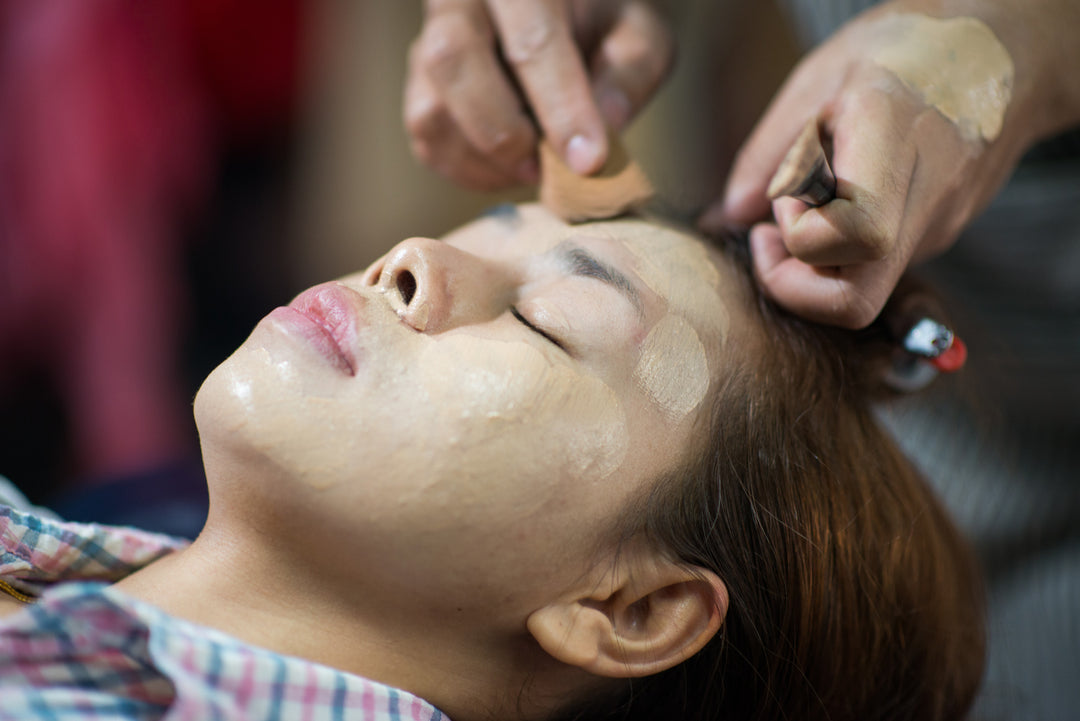
Your skin is cleansed and prepared. The spicule formula is applied and worked in with controlled, deliberate movements. Pressure and timing are adjusted to how your skin responds, and this is where hands-on experience counts. A calming, hydrating step follows, and sunscreen is applied before you leave.
Comfort Level
Most clients describe warmth, tingling, and a prickly sensation, a bit like a strong exfoliation. It isn’t usually described as painful, but it’s also not a relaxing massage. If anything feels like too much, we ease off or stop.
Timing
Plan on about an hour, including the consultation and finishing steps. Please confirm timing when you book, since it can vary depending on your skin and what we pair it with.
Recovery Expectations
Expect a flushed, slightly pink face for several hours, sometimes into the next day. Skin may feel tight, and light flaking often appears over the following few days. Most people return to normal activities, though many choose to keep the evening quiet. Avoid exfoliating acids, retinoids, and strong sun exposure until your skin has settled. We’ll give you specific instructions based on your skin.
Realistic Benefits
- Smoother-feeling skin and a more even surface
- A fresher, brighter look as dull cells clear
- Better readiness for hydration and repair-focused products
- Support for the skin’s natural renewal and collagen response
- A gradual softening in the look of texture and acne marks over a series
What it doesn’t do: erase deep scarring, replace medical care, or deliver dramatic change in a single visit. Anyone promising that isn’t being honest with you.
Aftercare and Your Home Routine
What you do in the week after matters nearly as much as the appointment. Korean spicule skincare works best when the barrier is treated gently afterward.
- Keep your routine simple: a mild cleanser, a hydrating serum, a barrier-supporting moisturizer, and daily sunscreen.
- Avoid scrubs, acids, and retinoids until your skin has settled.
- Don’t pick at flaking skin. Let it shed on its own.
- Keep skin well hydrated. A thoughtful hydrating skincare routine helps skin hold onto results.
Many clients choose professional-grade lines such as Environ or MBR to support their skin between visits. We’ll suggest what fits your skin rather than a long shopping list.
How It Fits With Other Treatments
A single service rarely solves everything. Depending on your skin, we might combine or sequence this work with:
- Biomodulation or LED therapy to support recovery and calm the skin afterward
- Bioneedling or Glycoala for deeper, repair-focused work
- An oxygen facial to restore moisture and brightness
- Microcurrent to support facial tone and lift
- Kobido facial massage or buccal massage for relaxation, circulation, and facial contour, usually on a separate visit
- Dermaplaning as a separate appointment for smoothness, since we generally avoid stacking it on the same day
If you’re unsure where to begin, we’re happy to talk it through. You can schedule a consultation to learn whether a Korean spicule facial is right for your skin.
Why Clients Choose Lisa Simone Skincare
We’re a boutique studio in River North, and we’ve kept it that way on purpose. Appointments aren’t rushed through a template. Each visit starts with listening, and the plan follows from what your skin is doing that day.
Personalization
Two people can book the same service and leave with different plans. Pressure, timing, and aftercare are adjusted to you.
Honest Guidance
If something isn’t right for your skin, we’ll say so, and often suggest a gentler starting point.
Long-Term Skin Health
We’d rather build a strong foundation than chase a quick result that irritates your barrier.
A Calm Environment
The studio is quiet and unhurried, which matters when you’ve already had enough of overwhelming skincare advice.
Clients visit us from River North, the Loop, the Gold Coast, and neighborhoods across the city, often after a long search for someone who’ll take the time to explain things clearly.
Frequently Asked Questions (FAQs)
1. What are Korean spicules in skincare?
Korean spicules are tiny, needle-like particles from sponges, used in professional facials in the style popularized by Korean skincare. They gently exfoliate the surface and support skin renewal.
Where do spicules come from?
They form the natural skeleton of certain sponges. For skincare, they’re refined into a fine powder and blended into a formula.
Is a spicule the same as a bath sponge?
No. A bath sponge is a household product. A spicule facial is a professional service, prepared and applied for your skin type.
Are spicules safe for the face?
In professional hands, with proper screening, they’re generally well tolerated. They’re not suitable for everyone, which is why we begin with a consultation.
Why is it called “Korean”?
It reflects a skincare philosophy focused on skin prep, layering, and gradual improvement in texture and clarity.
Is it different from a regular spicule facial?
The core mechanism is similar. Differences usually come from the formula, the technique, and how the treatment fits into a longer plan.
2. What does a Korean spicule facial feel like?
Most clients describe warmth, tingling, and a prickly sensation, often compared to a strong exfoliation. Intensity is adjusted throughout.
Does it hurt?
It’s usually described as uncomfortable rather than painful. If it feels like too much, we ease off or stop.
Can the sensation be reduced?
Yes. Pressure, timing, and preparation can all be adjusted to your tolerance.
Does skin type change how it feels?
It can. Fair or sensitive skin tends to feel the sensation more strongly and may stay pink longer.
How long does the sensation last?
The tingling usually fades within a short time after treatment. Pinkness may remain for several hours.
3. What is the difference between a Korean spicule peel and a chemical peel?
A spicule peel is mechanical, using gentle friction from spicules. A chemical peel uses acids to dissolve the bonds between dead skin cells.
Which one is better for texture?
Both can help. The better choice depends on your skin, your sensitivity, and your goals, which is something a consultation can clarify.
Can I combine them?
Not usually in the same visit. We generally space them apart so your skin isn’t overworked.
Will my skin peel after a spicule treatment?
Light flaking is common for a few days. Let it shed naturally and avoid picking.
How long does the flaking last?
Typically three to five days, though it varies from person to person.
4. How many Korean spicule treatments will I need?
It depends on your goals and your skin’s response. Many people begin with a short series spaced several weeks apart, then move to occasional maintenance.
When will I see results?
Smoother, fresher-looking skin often shows within about a week. Changes in marks or firmness take longer and build over a series.
Can results be permanent?
Skin keeps aging and responding to its environment, so maintenance and daily care help results last.
Does it work on deep scars?
It may soften the look of mild marks, but it won’t erase deep scarring. Other approaches may be better in that case.
How far apart should sessions be?
Usually several weeks, so the skin can recover and renew between visits. We’ll set the timing after seeing your skin.
5. Is a Korean spicule facial safe for sensitive skin?
It depends. Mild sensitivity can often be managed with careful technique, but chronic redness, rosacea, or a compromised barrier usually means starting with calming treatments.
What should I do first if my skin is reactive?
Focus on settling inflammation and rebuilding your barrier. Gentle options such as LED light therapy can be a good starting point.
How long should I wait before trying spicules?
That depends on how your skin responds. We’ll tell you at your consultation.
Can I have it if I’m using retinoids or acids?
Usually you’ll need to pause them for several days before and after. Please tell us about everything you use.
6. What should I avoid before and after my appointment?
Skip strong exfoliants and retinoids for a few days beforehand, and avoid sun exposure. Afterward, keep your routine gentle and wear sunscreen daily.
Can I wear makeup afterward?
We suggest waiting at least a day, longer if your skin feels tender. Mineral products tend to be gentler when you resume.
What if my skin feels tight?
Tightness is common. Use a hydrating serum and a simple moisturizer, and avoid anything that stings.
When can I exercise or use a sauna?
We recommend waiting until the flush has settled, usually a day or so, to avoid irritation.
7. How do I know if it’s right for me?
The simplest way is a consultation. We look at your skin, listen to your concerns, and give you a straight answer, including when the answer is “not yet.”
Can I book a consultation before committing to a treatment?
Yes. You can talk through your goals with no pressure to book.
What should I bring?
A list of the products you currently use and any medications or recent procedures is helpful.
Ready to Talk Through Your Skin?
If your skin has felt dull, uneven, or tired, and you’d like a clearer sense of what might help, we’d be glad to meet you. You can book a treatment session or discuss your skincare goals with us first, with no pressure either way.
Discuss Your Skincare GoalsContact Us
Lisa Simone Skincare
343 W Erie St. Suite 320
Chicago, IL 60654
Phone: 312-476-9719
Email: info@lisasimoneskincare.com